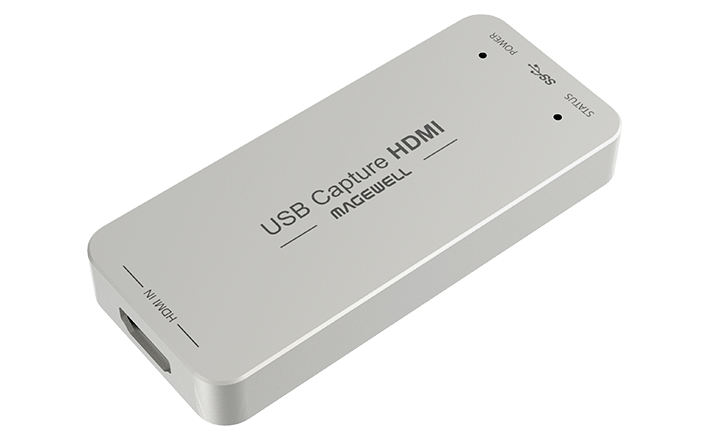
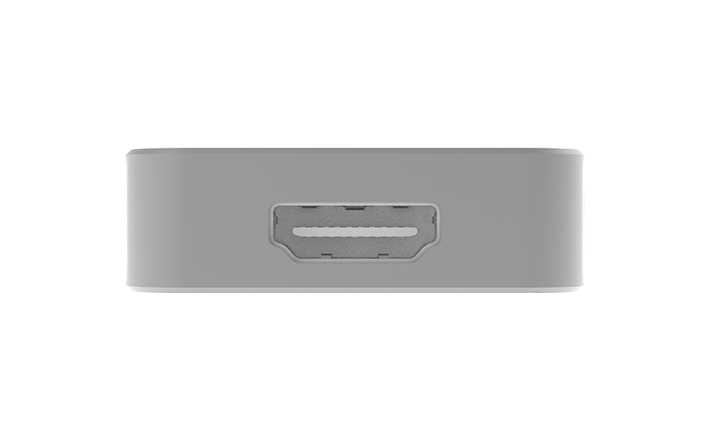
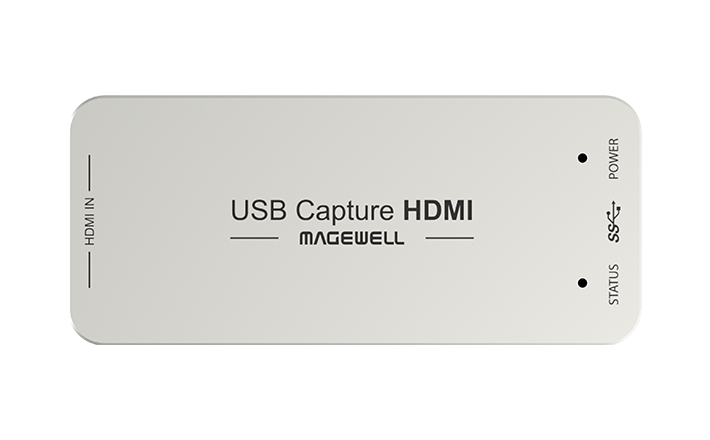
USB Capture HDMI Gen 2
Reliable USB HDMI capture — the workhorse of live production setups worldwide.
- ✓HDMI input — captures up to 1080p60 reliably
- ✓USB 3.0 bus powered — no external power needed
- ✓Works with OBS, vMix, Wirecast, Zoom, Teams out of the box
- ✓Cross-platform: Windows, macOS, Linux — no drivers needed
- ✓Field-proven in broadcast, education, medical, and events
About this product
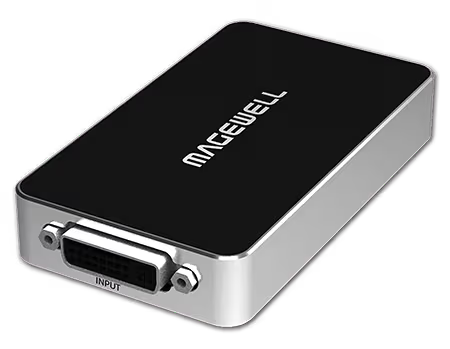
The Magewell USB Capture HDMI Gen 2 is the gold-standard HDMI capture dongle. Plug it into any USB 3.0 port, connect your HDMI source, and it instantly appears as a webcam in your streaming, recording, or conferencing software. No drivers. No setup.
Inside its compact aluminium shell is a dedicated FPGA processing chip that handles scaling, deinterlacing, colour space conversion, and frame-rate conversion entirely onboard. Your computer receives a perfectly-processed video stream with zero CPU usage.
Trusted by hospitals, universities, broadcasters, and thousands of streamers worldwide. The solid metal housing dissipates heat passively. Backed by a 2-3 year warranty (model dependent).
Compatible Software
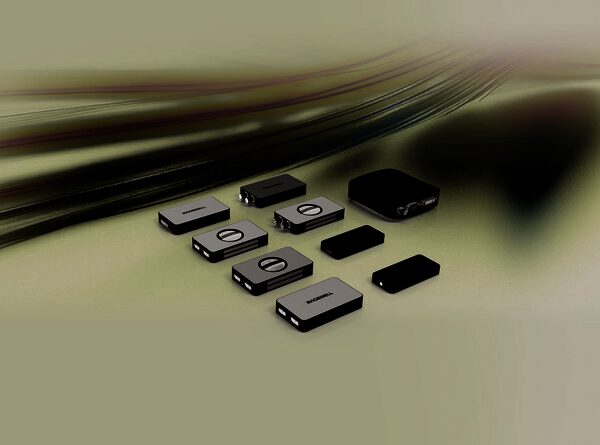
Related Products
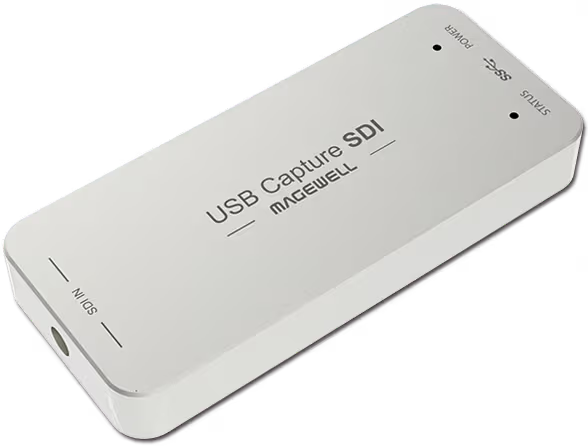
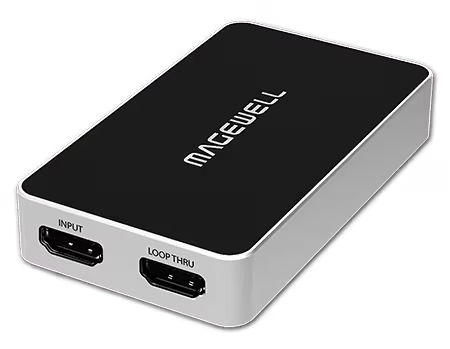
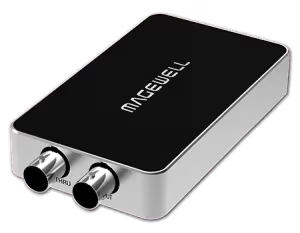
Further Reading
Frequently Asked Questions
Yes. The USB Capture HDMI Gen 2 appears as a standard UVC capture device in OBS Studio on Windows, macOS and Linux — no extra plugin or driver needed. Select it as a Video Capture Device source.
The USB Capture HDMI Gen 2 supports Windows 10/11, macOS 10.9+, Linux 2.6.35+, Chrome OS. It uses the UVC standard so it works without installing drivers on most platforms.
The USB Capture HDMI Gen 2 captures at up to 1920x1080 @ 60fps. Check the full spec sheet for the complete list of supported resolutions and frame rates.
Yes. Because the USB Capture HDMI Gen 2 presents itself as a standard webcam/capture device via UVC, it is recognised by Microsoft Teams, Zoom, Google Meet and most other video conferencing platforms without any additional software.
Yes — it draws power from the USB port itself (USB bus-powered, max 2.5W), so no external power supply is required.
The USB Capture HDMI Gen 2 connects via USB 3.0 (backward compatible USB 2.0 and 3.1 Gen 1). It is backward compatible with USB 2.0 ports but capture performance will be limited at lower USB speeds — a USB 3.0 port is recommended for full-resolution capture.